31 Aug 2021
Highlighting innovation in color, SABIC debuts latest LNP™ VISUALFX™ portfolio
 SABIC, a global leader in the chemical industry, has launched its latest LNP™ VISUALFX™ resin portfolio featuring unique colors and special effects from the company’s new Expression 2021/2022 color palette, developed through research on emerging aesthetic trends. Designers and engineers in the Color, Material and Finish (CMF) field can find inspiration within this portfolio from the consumer preferences revealed through this research, for new 5G-enabled mobile devices and Internet of Things (IoT) applications. In addition to the new LNP VISUALFX materials, SABIC’s complete color offering includes global COLORXPRESS™ custom color and color matching services.
19 Aug 2021
SABIC launches NORYL™ polyol for cast polyurethanes, simultaneously increasing hardness and elasticity to help extend the life of industrial applications
 SABIC, a global leader in the chemical industry, today introduced NORYL™ AP2001G polyol for cast polyurethane (PU) applications. By partially replacing polypropylene glycol (PPG) or polytetramethylene ether glycol (PTMG), this oligomer of polyphenylene ether (PPE) improves the performance of cast PU systems by increasing both hardness and elasticity – properties that have been difficult to improve simultaneously until now. In addition, NORYL AP2001G polyol provides resistance to oils, moisture, abrasion, tearing and heat, helping cast PU parts withstand extreme conditions and potentially lengthen their useful life. Potential applications include mining drill bits, screens and protective pipe liners for slurry transport; components for hydraulic, robotic and conveying equipment; and wheels, casters and rollers.
5 Aug 2021
SABIC first in industry to launch circular polycarbonate produced from post- consumer mixed plastic, based on advanced recycling
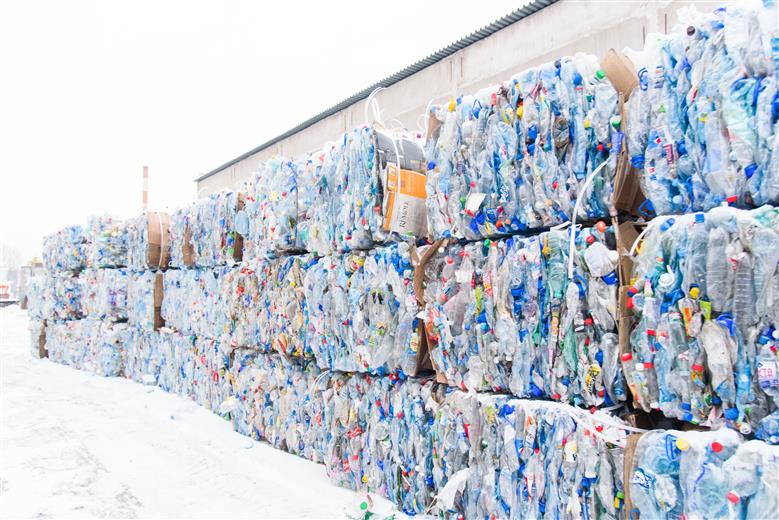 SABIC, a global leader in the chemical industry, today announced the launch of its certified circular polycarbonate (PC) resin and blends made from the upcycling of post-consumer mixed plastic - a first in the industry. This solution, based on advanced recycling, demonstrates SABIC’s ongoing commitment to drive towards a circular economy for plastics, by increasing the availability of more sustainable products.
4 Aug 2021
SABIC’s new LNP™ THERMOCOMP™ compounds deliver exceptional warpage control, laser welding capability allowing design freedom for improved signal transmission for ADAS radar covers
 As urbanization propels the development of self-driving technology and broader implementation of advanced driver assistance systems (ADAS), automotive OEMs and tiers are actively seeking high-performance materials that can optimize the capabilities of today’s higher-frequency (>75 GHz), millimeter-wave (mmWave) radar units. To help meet this need, SABIC is launching two new materials, LNP™ THERMOCOMP™ WFC06I and WFC06IXP compounds, developed for the front and back enclosure covers (respectively) of next-generation radar units. The new glass fiber-reinforced polybutylene terephthalate (PBT) grades offer a very low dissipation factor (Df) and dielectric constant (Dk) to help support the transmission of higher-frequency radar signals. They also feature super-low warpage that allows designers to potentially create new, thinner covers that improve signal transmission. Furthermore, these new SABIC products can contribute to efficient radar unit assembly by supporting high-speed, high-precision laser welding. In fact, LNP THERMOCOMP WFC06I compound provides excellent laser transmission performance among PBT materials currently available.
26 Jul 2021
SABIC launches ISCC certified LEXAN™ polycarbonate film & sheet based on renewable feedstock
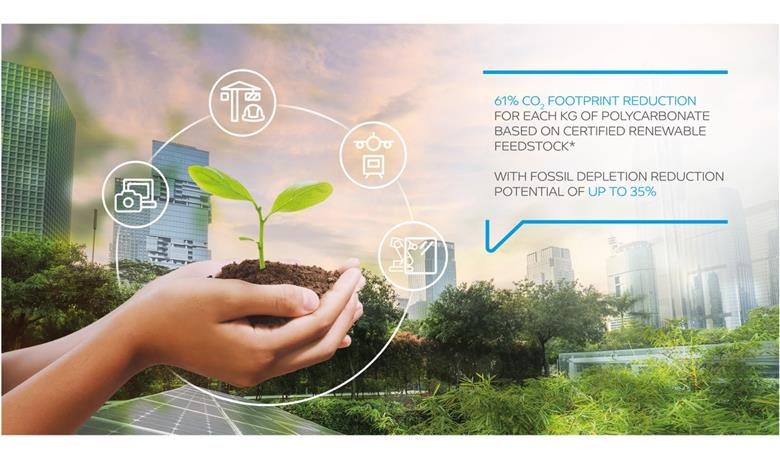 SABIC, a global leader in the chemical industry, has announced that its Functional Forms plant in Bergen op Zoom, The Netherlands, has been accredited under the International Sustainability & Carbon Certification (ISCC) PLUS scheme for providing a new range of LEXAN™ film and sheet products based on certified renewable feedstock. The new film and sheet product offering connects with the company’s existing TRUCIRCLE™ initiative and responds to a globally growing demand for further sustainable material solutions in an increasingly more circular plastics economy.
29 Jun 2021
SABIC’s new LNP™ ELCRES™ EXL resin delivers superior flame retardance for ultra-thin parts to help Realme address the new IEC 62368-1 regulatory safety standard for consumer electronic devices
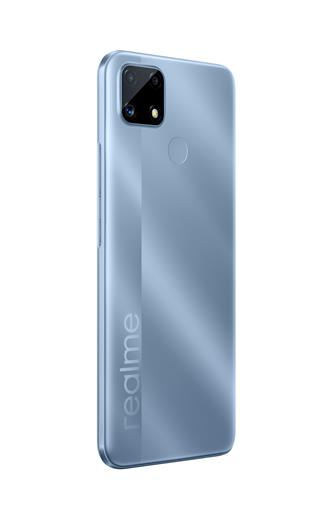 The implementation of the International Electrotechnical Commission’s new IEC 62368-1 safety standard for consumer electronics is prompting many manufacturers to seek higher-performing flame-retardant (FR) materials. Realme, a leading Chinese smartphone manufacturer, has selected SABIC’s new LNP™ ELCRES™ EXL7414 copolymer resin for the battery enclosure of its C25 phone to achieve UL 94 V0 FR compliance at 0.6mm, addressing the new IEC standard. Additionally, the superior flame retardance of the new LNP copolymer resin supports its potential use in ultra-thin-wall components to help save device weight and space in ever-thinner designs. SABIC’s LNP ELCRES EXL7414 copolymer resin also delivers excellent flow for thin-wall molding; ductility to resist damage from drops; and good chemical resistance to withstand ultraviolet (UV)-cured painting. The new Realme smartphone launched in March 2021.
16 Jun 2021
Fraunhofer, SABIC, and Procter & Gamble join forces in closed-loop recycling pilot project for single-use facemasks
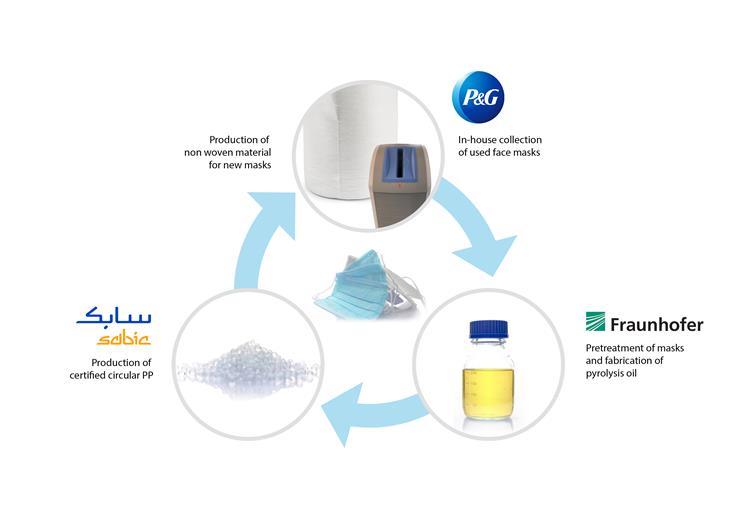 Fraunhofer Institute UMSICHT, SABIC and Procter & Gamble (P&G) today announced their collaboration in an innovative circular economy pilot project which aimed to demonstrate the feasibility of closed-loop recycling of single-use facemasks.
8 Jun 2021
SABIC and Local Motors conduct feasibility study of recycling scrap thermoplastic parts and shavings from 3D printing process
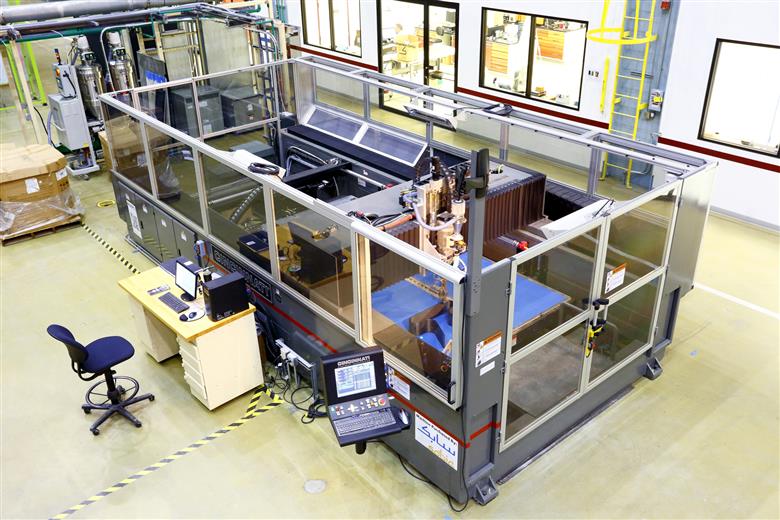 With the desire to improve the circularity of large format additive manufacturing (LFAM), SABIC, a global leader in the chemical industry, and Local Motors, a next-generation vehicle manufacturer, completed a joint study on the feasibility of recycling scrap thermoplastic parts and shavings from the 3D printing process. The study explored more sustainable alternatives to landfilling large, printed parts in anticipation of wider adoption of LFAM. It included analyzing the printability and mechanical properties of SABIC’s LNP™ THERMOCOMP™ AM reinforced compound, used by Local Motors, after being printed, reclaimed, ground and reprocessed into pellet form. The study determined that material from post-production parts and scrap can potentially be reused in LFAM or other processes, such as injection molding or extrusion, at amounts up to 100 percent. These insights can help identify a feasible path to circularity and an extended lifecycle for materials used by the LFAM industry.
2 Jun 2021
SABIC certified renewable polymers used in new more sustainable Delizio coffee capsules
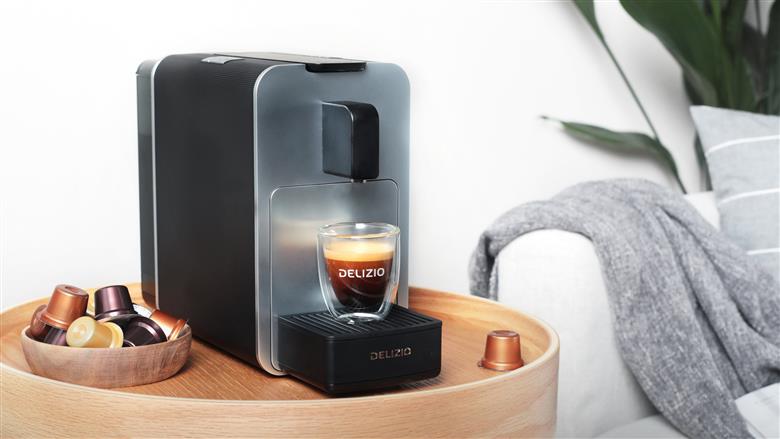 SABIC, a global leader in the chemical industry, today announced that Delica AG will be introducing a new range of more sustainable coffee capsules based on SABIC’s certified renewable polymers for use in its proprietary Delizio capsule machines. Delica will be using certified renewable polypropylene (PP) resins in the coffee capsules. The bio-feedstock based “second generation” materials are part of SABIC’s TRUCIRCLE™ portfolio of circular products and services. The new capsules were introduced in the market in April 2021 and replace fossil-based virgin PP.
20 May 2021
EconCore’S new honeycomb cores made with SABIC's NORYL GTX™ resin deliver high heat performance and potential for recyclability for EV batteries and photovoltaics structures
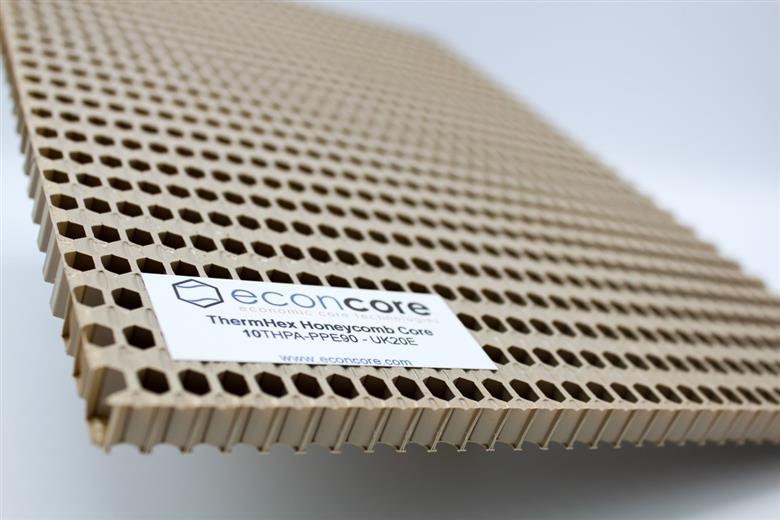 EconCore, a global leader in honeycomb technologies, has developed new honeycomb cores for laminated sandwich panels made with SABIC’s NORYL GTX™ resin, a polyphenylene ether (PPE) blend, and EconCore’s proprietary technology. The new honeycomb core presents higher heat performance, better dimensional stability and lower water absorption compared to honeycomb structures made with traditional thermoplastics. These properties enable the new core material to be used in demanding applications such as certain automotive, e-mobility and photovoltaic components. Furthermore, combining this new honeycomb core with thermoplastic composite skins to produce an all-thermoplastic sandwich panel can facilitate recycling. These desirable performance attributes and enhanced sustainability can open new market and application opportunities for EconCore honeycombs made with NORYL GTX resin.
12 May 2021
SABIC debuts high-purity sd1100p dianhydride for flexible PI films to help improve speed in 5G devices
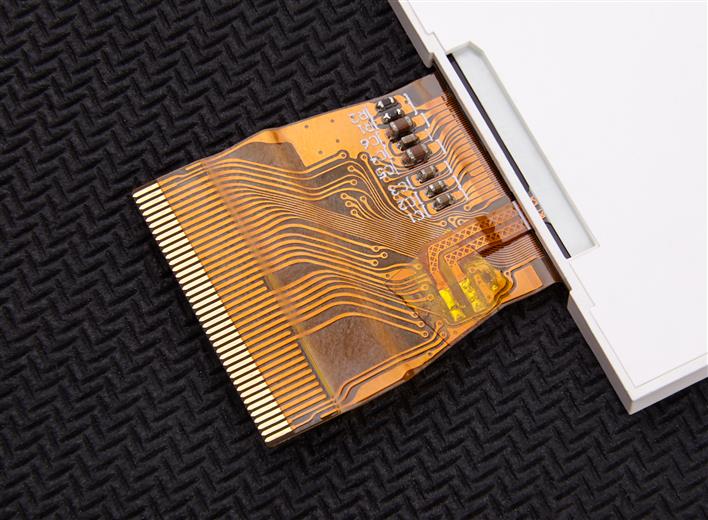 SABIC today introduced its new high-purity SD1100P specialty dianhydride powder for polyimide (PI) film formulations for potential use in 5G flexible printed circuit boards (PCBs), colorless displays and other flexible electronics applications. This 4,4’-bisphenol A dianhydride (BPADA) powder helps customers produce high molecular weight PI formulations that can deliver improved balance between thermal and mechanical properties. Compared to other commercially available dianhydrides, SABIC’s SD1100P BPADA powder may offer performance improvements including a lower dielectric constant and dissipation factor, reduced water absorption and improved metal adhesion for creating films and varnishes used in copper-clad laminates, coverlays and adhesives.
11 May 2021
SABIC advances thermoplastic solutions for critical EV battery technologies
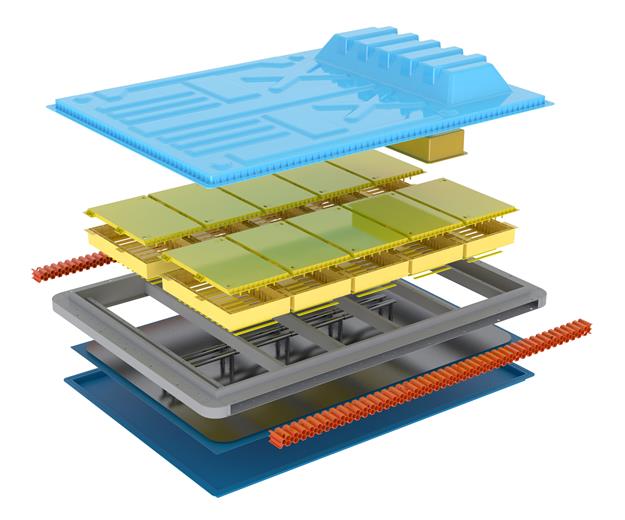 With automakers accelerating their shift to an all-electric future, SABIC continues developing thermoplastic-based solutions and harnessing its expertise to help the industry optimize the performance of electric vehicles (EVs). Most notably, the company’s automotive business has developed a plastic-intensive EV battery pack concept using a systems-engineering approach, which underscores the value of lightweight plastics to address critical industry needs for flexible design, enhanced performance, greater safety and improved economics.