18-10-2019
Clariant launches new bio-based additives to reduce resource consumption in plastic loops at K 2019
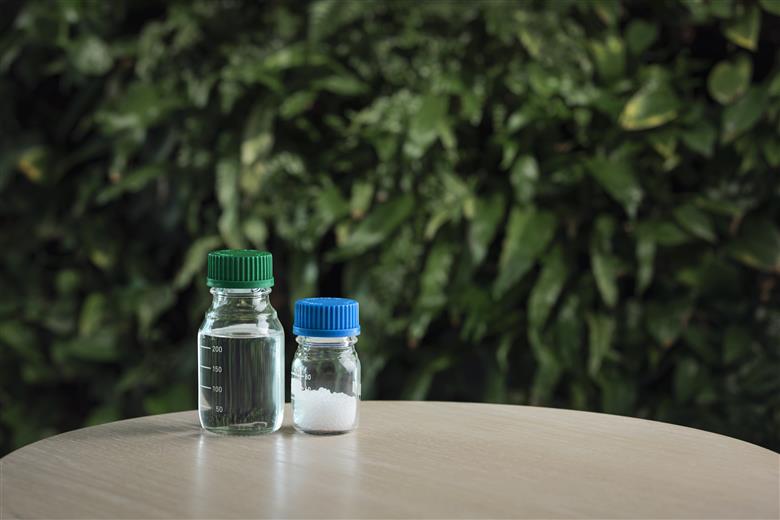 Clariant unveils new high-performance additives promoting reduction in the consumption of fossil resources, to support the creation of value chain cycles which utilize viable and sustainable renewable sources and combat climate change.
17-10-2019
DSM to introduce bio- and/or recycled-based alternatives for its entire engineering plastics portfolio
 Royal DSM, a global science-based company active in nutrition, health and sustainable living, today announces at the K-Show that its engineering plastics business will offer a full alternative range of its existing portfolio based on bio- and/or recycled-based materials by 2030. In this way, DSM Engineering Plastics is taking the next step in its sustainability journey in alignment with DSM’s purpose-led performance-driven strategy, enabling a circular and bio-based economy.
17-10-2019
SABIC launches new XENOY™ HTX high-heat resin family to support vehicle lightweighting and electrification trends
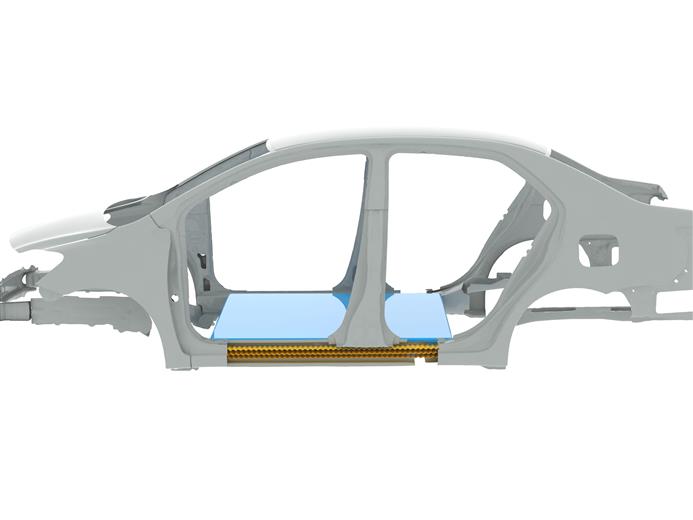 At K 2019 today, global petrochemicals leader SABIC announced the launch of XENOY™ HTX resin, a polyester-based, high-heat technology that can enable the production of light, impact resistant and high performing structural automotive applications.
17-10-2019
De nouveaux compounds de KRAIBURG TPE pour les applications destinées à l’extérieur des véhicules
 KRAIBURG TPE a élargi son portefeuille d’élastomères thermoplastiques (TPE) et propose de nouveaux compounds performants. Les quatre nouveaux types de THERMOLAST® K conviennent tout particulièrement aux éléments présentant des combinaisons souples/rigides avec des exigences élevées au niveau de la qualité des surfaces et une résistance durable aux intempéries.
17-10-2019
SABIC first in industry to launch polycarbonate based on certified renewable feedstock
 SABIC, a global leader in the chemical industry, today announced the launch of its polycarbonate (PC) based on certified renewable feedstock - a first in the industry, providing SABIC and its direct and ultimate customers with a solution that has the potential to reduce both CO2 emissions and the use of fossil feedstock during production.
17-10-2019
Milliken’s newest DeltaMax™ Performance Modifier will help manufacturers of polypropylene impact copolymers to boost efficiency
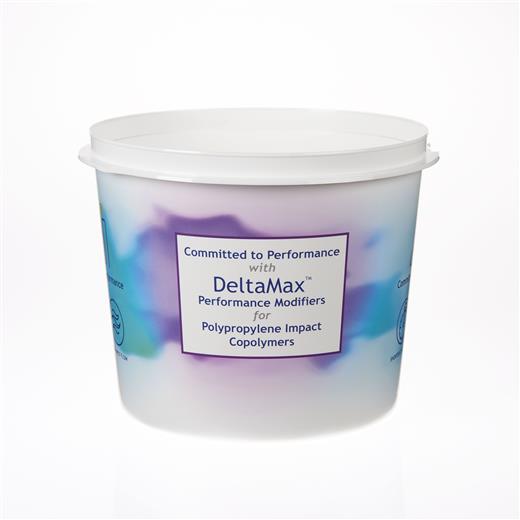 At K 2019, a global plastics industry conference in Dusseldorf, Germany, Milliken & Company will introduce the newest product in its family of DeltaMax™ Performance Modifiers. This latest addition is designed to expand use of the additive into all market segments, including food packaging.
17-10-2019
Clariant’s latest ‘Symphony of Collaboration’ initiatives & sustainability designators make K 2019 debut
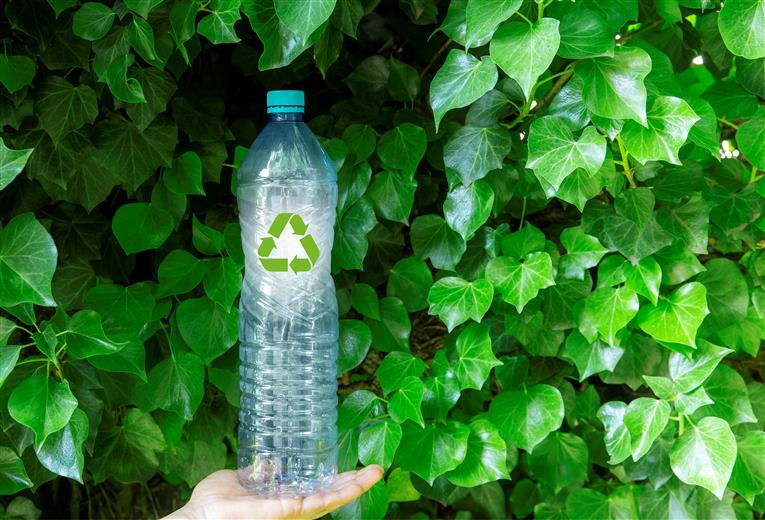 Clariant prioritizes sustainability and collaborative action at K 2019 in several new initiatives supporting greater circularity and resource-efficiency for the plastics industry launched at the show.
16-10-2019
KRAIBURG TPE établit de nouvelles références dans le contact avec les aliments
 Avec les deux nouvelles séries de compounds FC/CM1 et FC/CM2, KRAIBURG TPE répond aux principales réglementations sur les applications avec contact alimentaire: le règlement européen UE n°10/2011 et le Title 21 Code of Federal Regulations (21CFR) de l’Agence américaine des produits alimentaires et médicamenteux (FDA). Ces nouvelles séries ont été spécialement conçues pour le contact avec les aliments gras et elles se distinguent par ailleurs par un toucher agréable et des propriétés organoleptiques améliorées. Les utilisations cibles sont notamment les emballages réutilisables, les valves de dosage et les distributeurs de produits alimentaires.