19-09-2022
SABIC’s new IR-transparent, solderable EXTEM™ resin supports upcoming shift from pluggable to co-packaged optics to help boost data center speed and scale
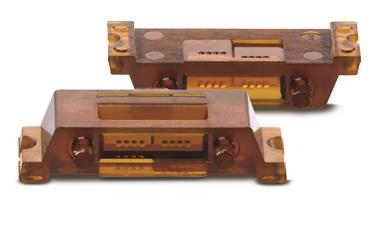 SABIC, a global leader in the chemical industry, is launching here today at the ECOC Exhibition 2022, in booth #584, EXTEM™ RH1016UCL resin, a new ultra-high-heat, near-infrared (IR)-transparent grade well-suited for injection-molded lenses used in co-packaged optical transceivers and other optical connectors. EXTEM RH1016UCL resin is one of the first IR-transparent thermoplastics that can robustly withstand the 260°C peak temperature of printed circuit board (PCB) reflow soldering while maintaining dimensional stability of the molded part. This capability helps enable optical connectors to be mounted with other components in one step, avoiding the separate assembly and alignment processes that are required for lower-temperature lens materials. The new EXTEM resin also provides high-throughput, precision micro-molding capability for enhanced productivity. Together with optical design freedom and breakthrough high-temperature performance, this new resin can help customers transition from pluggable optics to co-packaged optics that support increased data center speed, scale and energy efficiency. EXTEM RH1016UCL resin has been validated by a major technology OEM in the United States.
14-09-2022
SABIC introduces new LNP™ ELCRES™ FST copolymer resins for rail seating, compliant with EN45545 standard
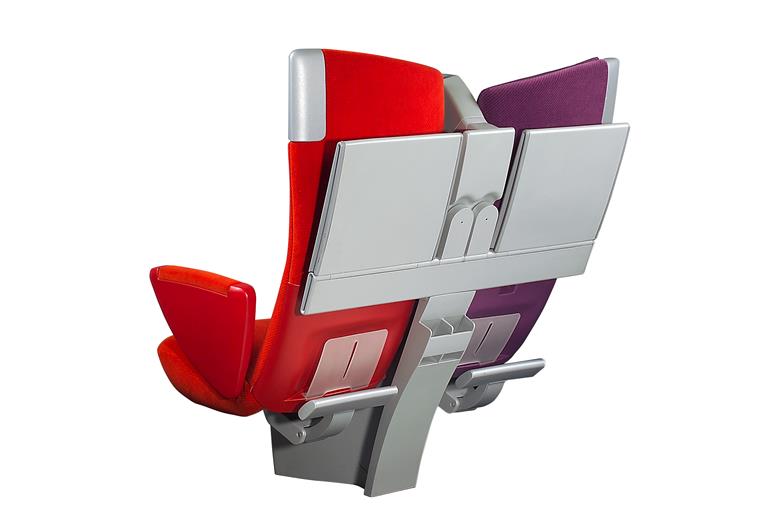 SABIC, a global leader in the chemical industry, launched today four new LNP™ ELCRES™ FST copolymer resins that comply with the European railway standard EN45545 R6-HL 2 for train seating. Designers can benefit from these new material solutions, which not only meet the new regulatory requirements but also provide expanded opportunities to create sleek seating designs. Compared to thermosets and aluminum, the new ELCRES resins offer lighter weight and efficient processing without requiring secondary operations. To achieve a seamless aesthetic look in an all-in-one seat unit or a design with a separate back shell without painting, SABIC offers precision color matching for its extrusion grade (LNP ELCRES FST2732E resin) and injection molding grade (LNP ELCRES FST2432 resin). For customers that require more-sustainable solutions, SABIC supplies bio-based version of each grade. These new materials, and several other new products, will be spotlighted at InnoTrans 2022 (Hall 5.1, Booth 332), September 20-23 in Berlin, Germany.
13-09-2022
SABIC spotlights at The Battery Show North America its broad portfolio for advancing EV battery sustainability, efficiency & safety
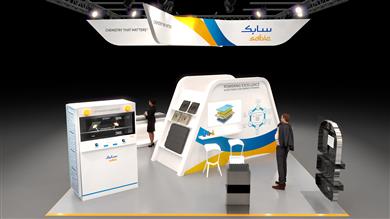 SABIC, a global leader in the chemical industry, is featuring here today at The Battery Show North America 2022 its broad and growing array of thermoplastic materials that are well-suited for electric vehicle (EV) and supply equipment (EVSE) battery applications. At booth #2211, SABIC’s Petrochemicals and Specialties businesses are highlighting their latest material solutions to address battery requirements, including sustainability, efficiency, safety and reliability. Applications, test samples and videos are on display to illustrate and demonstrate the design, manufacturing and performance advantages of plastic-intensive solutions over traditional materials. In addition, SABIC is spotlighting its new strategic BLUEHERO™ initiative, an expanding ecosystem of materials, solutions and expertise designed to help accelerate the shift to electric power.
13-09-2022
SABIC contribue au progrès du secteur des transports en présentant à InnoTrans une nouvelle solution de fabrication additive conforme à la norme ferroviaire EN45545
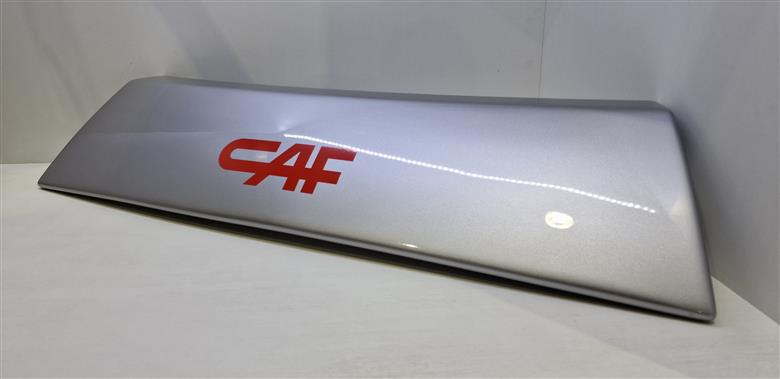 À l’occasion du salon InnoTrans 2022 à Berlin, l’un des leaders mondiaux de la chimie, la société SABIC, présentera le LNP™ THERMOCOMP™ AM DC0041XA51, un nouveau compound renforcé à la fibre de carbone et ignifugé, bien adapté à la fabrication additive à partir de granulés («pellet-fed additive manufacturing» ou PFAM) et conforme aux normes européennes et nord-américaines en vigueur dans le ferroviaire. Ce nouveau compound est en mesure d’aider l’industrie ferroviaire à passer de la fabrication de pièces par les méthodes de moulage traditionnelles à celle de la fabrication à la demande par impression 3D, susceptible de réduire les coûts globaux en réduisant les stocks de gros outillages et de pièces de rechange.
06-09-2022
SABIC launches new LNP™ THERMOCOMP™ compounds for automotive GNSS antennas, offering improved signal gain vs. ceramics
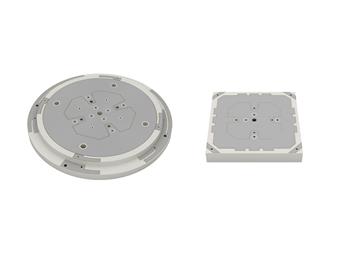 SABIC, a global leader in the chemical industry, today introduced two new LNP™ THERMOCOMP™ compounds that offer the potential to improve signal gain performance vs. ceramics in second-generation automotive global navigation satellite system (GNSS) antennas. The new products, LNP THERMOCOMP ZKC0CXXD compound and LNP THERMOCOMP ZKC0DXXD compound, help enable the design and molding of antenna substrates with more-complex pattern markings that add effective surface area, a critical factor in enhancing signal capture. For customers that currently use ceramics, switching to the LNP THERMOCOMP compounds can help lower system costs by avoiding secondary operations, as well as improving antenna performance. Designers and engineers who find incumbent materials inadequate for developing novel, high-resolution GNSS antennas can help address new requirements with the SABIC products.
31-08-2022
SABIC lance de nouveaux compounds PP renforcés de fibres de verre courtes aux performances améliorées pour des applications structurelles de l’automobile
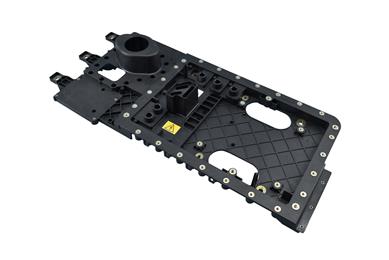 SABIC, une des premières entreprises mondiales du secteur de la chimie, a procédé ce jour au lancement des grades SABIC® PP G3430X et SABIC PP G3440X, deux nouveaux compounds de polypropylène (PP) renforcés de fibres de verre courtes qui offrent des performances et des caractéristiques de mise en œuvre améliorées pour des applications exigeantes de l’automobile, dans le compartiment moteur et pour des pièces d’intérieur et d’extérieur. Les deux grades surpassent les matériaux à hautes performances classiques à fibres de verre courtes en terme de fluidité , de résistance à la traction, à la flexion et de module de flexion. Avec ces deux nouveaux grades de compounds PP G3430X et G3440X, SABIC offre à sa clientèle des opportunités de rehausser à nouveau les performances des composants structurels d’automobile, comme les supports, les carcasses de siège et les consoles centrales. En outre, la possibilité de les mouler en parois minces permet de concevoir des pièces plus légères avec les deux matières.
25-08-2022
SABIC expands chemically resistant LNP™ CRX portfolio with four new sustainable, thin-wall flame retardant copolymers for healthcare and consumer electronics
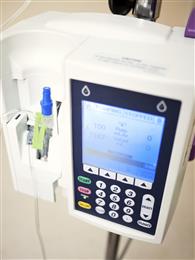 SABIC, a global leader in the chemical industry, has expanded its portfolio of exceptionally chemically resistant LNP™ CRX polycarbonate (PC) copolymer resins with four new grades, featuring sustainability, thin-wall flame retardancy (FR), low-temperature ductility and ultraviolet (UV) stability, well-suited for healthcare and consumer electronics applications. There are two product pairs, each with a bio-based version that can further reduce environmental impacts and help lower carbon footprint. These high-performance materials can help meet customer demands for world-class resistance to chemicals ranging from the harsh disinfectants widely used in healthcare applications to sunscreen and hand creams that often come in contact with consumer electronics devices. The new LNP CRX grades also offer the potential to enhance regulatory compliance and design flexibility.
23-08-2022
SABIC expands its ULTEM™ resin optical material portfolio to help advance the adoption of single-mode fiber optics
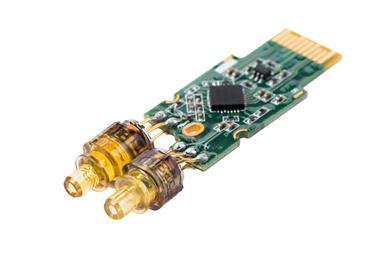 SABIC, a global leader in the chemical industry, has expanded its optical materials portfolio with the launch of ULTEM™ 3310TD resin, which is well suited for optical transceiver collimator lenses used in single-mode fiber optic systems. This new polyetherimide (PEI) resin delivers a significantly lower coefficient of thermal expansion (CTE) than that of standard ULTEM grades. A low CTE is essential to optimize the dimensional stability of the collimator lenses and ensure alignment with single-mode fibers. Furthermore, the new grade provides near-infrared (IR) transmission without degrading signal quality. As a potential replacement for glass, ULTEM 3310TD resin offers the efficiency of high-volume micro-molding, avoids the need for costly secondary operations, expands design freedom and lowers part weight.
23-08-2022
SABIC, through its joint venture company, SABIC SK NEXLENE Company (SSNC), expands capacity of Korea NEXLENE™ plant for advanced polyolefin material solutions
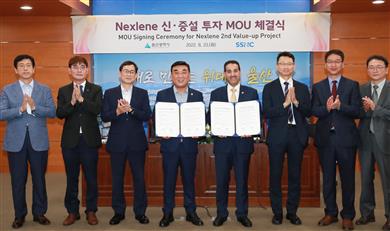 SABIC, a global leader in the chemicals industry, has announced that its SABIC SK Nexlene Company (SSNC) joint venture with SK Geo Centric (formerly SK Global Chemicals) in South Korea will expand the capacity of their plant in Ulsan for production of advanced material solutions using NEXLENE technology. The plant, operated by Korea Nexlene Company (KNC), supports the production of SABIC’s broad portfolio of COHERE™ metallocene polyolefin plastomers (POP), SUPEER™ metallocene linear low density polyethylenes (mLLDPE) and FORTIFY™ polyolefin elastomers (POE).
26-07-2022
SABIC’S new SMT-capable ULTEM™ 3473 resin helps reduce weight of RF filters in 5G macro cells by up to 40%
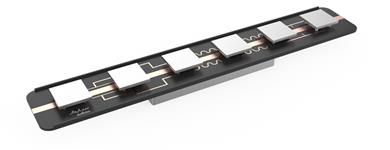 SABIC, a global leader in the chemical industry, today introduced ULTEM™ 3473 resin, its first polyetherimide (PEI)-based material with surface mount technology (SMT) capability. This new product addresses the growing trend toward smaller, lighter 5G macro cells by providing a possible replacement for metal. For example, ULTEM 3473 resin can help reduce the weight of an aluminum radio frequency (RF) cavity filter by up to 40 percent. In a typical macro cell with 64 filters, this weight saving can be significant. Furthermore, this new resin can help facilitate the design of new, integrated antenna filter units (AFUs), which is not achievable with metal. Using injection molding, the dipole antenna matrix and RF cavity filter body can be produced as one piece. This approach simplifies production and may lead to additional weight savings and system cost reductions.
19-07-2022
SABIC launches blockchain pilot for digital traceability of certified circular TRUCIRCLE™ feedstock
 SABIC, a global leader in the chemicals industry, has launched a pilot project with technology company Finboot, advanced recycling pioneer Plastic Energy, and packaging specialist Intraplás to investigate the possibilities of blockchain technology in supporting end-to-end digital traceability of circular feedstock in customer products.
07-07-2022
Des pièces d’habitacle automobile à la fois légères et d’une esthétique exceptionnelle grâce à de nouveaux compounds PP de SABIC
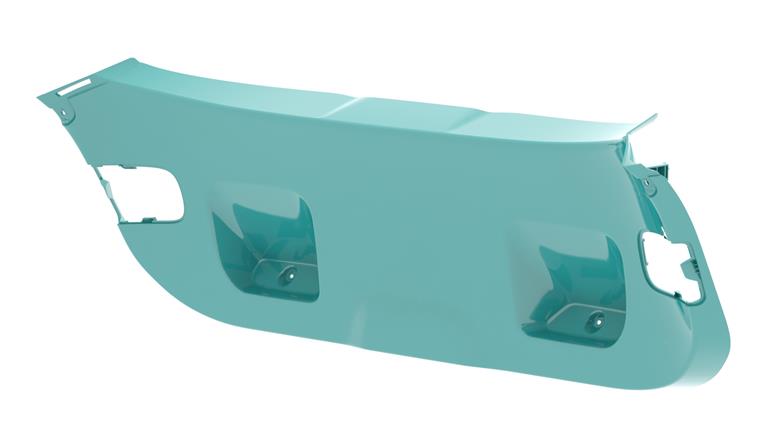 SABIC, l’une des principales entreprises chimiques mondiales, a lancé ce jour le portefeuille SABIC® PP composé de compounds dédiés au procédé d’injection-moussage (Foam Injection Molding ou FIM). Les nouveaux grades chargés minéral PPc F9005, PPc F9007 et PPc F9015 de SABIC® permettent d’obtenir d’excellentes caractéristiques d’aspect pour les pièces de finition de forme complexe dans les habitacles automobiles, dont notamment les panneaux et garnitures de porte, les habillages de siège et de malle arrière, les montants de baie A, B, C, D et les consoles centrales. Contrairement aux matières classiques pour le procédé FIM qui présentent généralement des défauts de surface, ces nouveaux compounds PP de SABIC permettent d’obtenir des pièces avec une qualité de surface élevée et uniforme, comparable à celle des pièces injectées compactes. En outre, les pièces produites à partir de ces compounds PP sont notablement plus légères et susceptibles de réduire les émissions polluantes. D’après une étude du cycle de vie complet (en attente d’examen indépendant), ces nouveaux matériaux peuvent permettre aux équipementiers de réaliser une réduction des émissions de dioxyde de carbone (CO2) qui peut atteindre 15%.