10-08-2004
Neue Polypropylenfolien von Borealis für medizintechnische Anwendungen
 Als Alternative zu PVC, Glas und anderen Polymeren hat Borealis eine neue Reihe innovativer Polypropylentypen für extrudierte Folienanwendungen entwickelt, die in der Medizintechnik bei der Herstellung von medizinischen Beuteln und Blisterverpackungen Anwendung finden. Die PP-Materialien zeichnen sich durch geringe Migrationsneigung gegenüber den verpackten medizinischen Produkten und Flüssigkeiten aus. Sie bieten außerdem ein hohes Maß an Sicherheit und Produktintegrität während des Transportes und der Handhabung.
10-08-2004
New Borealis biaxially oriented polypropylene reduces weight and improves transparency of plastic bottles
 The new Borealis RF926MO polypropylene (PP) injection stretch blow moulding (ISBM) grade provides enhanced performance owing to its biaxial orientation. The new grade can reduce weight by more than 30% compared with extrusion blow-moulded high-density polyethylene (HDPE) grades. The new PP grade provides excellent transparency and gloss levels, can save up to 30 to 50% on energy costs in production, and RF926MO’s processing window is significantly broader than other PP materials.
10-08-2004
Automakers adopt new scratch-resistant TPOs from Borealis for car interiors
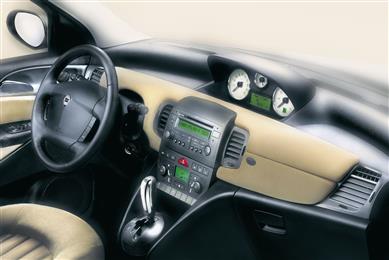 With the introduction of Borealis thermoplastic olefin grades, (TPOs) EE137AE and EE137HP, Borealis has created an innovative, scratch-resistant injection-moulding compound specifically designed for automotive interiors and similar demanding applications. The scratch-resistant nature of the polypropylene (PP) compounds is the result of engineering as much performance as possible into the base resin while minimising fillers and additives. In addition, the remaining fillers and additives benefit from proprietary formulations to further enhance properties of the new grades.
06-08-2004
Neue HDPE-Typen für Verschlusskappen auf Basis der bimodalen Borstar® Technologie bieten erhöhte Qualität und wirtschaftlichere Verarbeitung
 Borealis hat auf der Basis des patentierten Borstar® Verfahrens zwei neue Polyethylentypen hoher Dichte (HDPE) speziell für Getränkeflaschenverschlüsse entwickelt. Die Polymere vereinen erhöhte Sicherheit und Qualität mit verbesserter Wirtschaftlichkeit.
06-08-2004
Borstar® PE materials bring added value to the utility and industrial pipe sectors
 Since its introduction, polyethylene (PE) from Borealis’ proprietary Borstar® process has set the industry standard for pipeline construction in technical performance and delivered value to the pipe producers, pipeline installers, operators and end users.
05-08-2004
Bosworth Plastics launches Dowelock™ all-plastic locking dowel system for the tunnelling industry
 Bosworth Plastics of Hinckley, Leicestershire, UK, has successfully launched a patented, all-plastic system for joining concrete segments for the construction of tunnels. The Dowelock™ system, which requires no bolts or screws and suffers none of the corrosion problems associated with traditional metal dowels, is the result of nearly four years of technical development effort in conjunction with polymer supplier DuPont and its UK distributor Distrupol. The Dowelock is already being used in two UK tunnelling contracts, one of which is the new Terminal 5 at Heathrow Airport.
05-08-2004
SIEMENS VDO APROVECHA LAS VENTAJAS DE STANYL® DE DSM EN CARCASAS PARA SENSORES EN AUTOMOCIÓN
 Las carcasas para sensores usados en automoción hechas con Stanyl® TW200 F6 de DSM Engineering Plastics, una poliamida 4,6 (PA46) reforzada con fibra de vidrio al 30%, ofrecen resistencia térmica y al aceite, solidez y estanqueidad a componentes de Siemens VDO como los sensores de nivel de aceite de los modelos de coche Vectra de Adam Opel AG. Unas propiedades mecánicas y de fluidez mejores que las de la PA66 permiten a Stanyl® TW200 F6 recubrir a todos los elementos sensores e insertos de modo que mejora la estanqueidad, la encapsulación y la calidad superficial además de alargar la vida del producto. Esta gran fluidez también disminuye los daños potenciales a los elementos y cables sensores ya que reduce los ciclos de inyección y el desgaste del molde.
05-08-2004
LOS NUEVOS GRADOS DE AKULON® ULTRAFLOW® PARA TAPAS DE MOTOR PERMITEN REDUCIR EL PRECIO POR PIEZA CON RESPECTO A LOS GRADOS CONVENCIONALES
 8 de junio de 2004 - DSM Engineering Plastics ha anunciado el lanzamiento de nuevos grados de Akulon Ultraflow, poliamida 6, estabilizados al calor y reforzados con fibra de vidrio y con minerales, de especial aplicación en tapas de motores de automóvil en las que se da importancia a la estética o a la acústica. En algunas ocasiones, con los grados Akulon Ultraflow K220-HGM44 y K-FHGM24 se necesita menos material, ya que permiten diseñar piezas con paredes más delgadas y recorridos de flujo más largos que con los grados de PA convencionales. El uso de estos nuevos materiales también puede contribuir a rebajar el precio de la pieza en el caso de las tapas de motores, al aumentar la velocidad de producción hasta en un 40% y reducir, o incluso, suprimir las operaciones de decoración y pintado posteriores al moldeo. Además, en muchos casos pueden procesarse en los moldes ya existentes diseñados para polipropilenos y otros materiales, lo que supone una fuente de ahorro adicional.