17 Nov 2005
GE - Plastics’ Ultem* Resins Help Improve Performance of Award-Winning Surgical Skin Stapler
 BERGEN OP ZOOM, THE NETHERLANDS — November 17, 2005 — The use of subcuticular absorbable skin staples for closing incisions dramatically improves surgical outcomes while enhancing patient safety and comfort. At the recent MD&M East Show, GE - Plastics showcased the use of its Ultem* polyetherimide (PEI) resins in the award-winning INSORB®|20 subcuticular skin stapler from Minnesota-based Incisive Surgical, Inc. The GE materials provide strength, sterilization capabilities, and biocompatibility in custom colors to this unique disposable device, which combines the superior cosmetic results of absorbable sutures with the rapid closure times of metal skin staplers – while eliminating the need for post-operative staple removal.
 GE - Plastics
 GE - Plastics
16 Nov 2005
GE Helps ZEVEX’s EnteraLite® Infinity™ Feeding Pump Give Tube-Fed Patients the Freedom to be Active
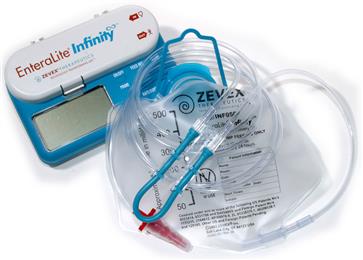 ZEVEX International, Inc., an innovative company based in Salt Lake City, Utah, entered the enteral nutrition delivery market in 1996 and currently distributes a complete line of products for use in patients’ homes, hospitals, and nursing homes. Enteral feeding delivers liquid nutrition directly into the gastrointestinal tract. It is prescribed for a wide range of short-term and chronic conditions such as stroke (swallowing difficulty), cancer (insufficient calories), food absorption, and digestion disorders. Observing the trend toward smaller, lighter, and more portable medical devices, ZEVEX decided to create a new product that would apply miniaturization technology to enteral feeding systems to benefit patients.
16 Nov 2005
GE’s SilCool* LTR Silicone Helps GE’s LightSpeed VCT Scanner Dissipate Heat Generated by World’s Fastest Volumetric Imaging of the Heart
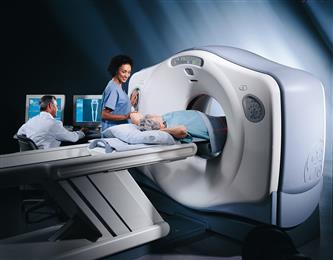
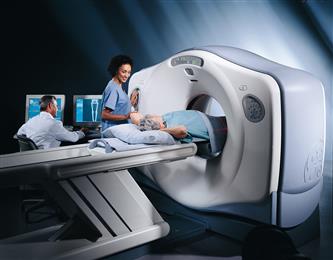 Headquartered in the United Kingdom, GE Healthcare is a $15 billion GE business. It provides a broad range of products and services that are enhancing patient care by enabling healthcare providers to better diagnose and treat heart disease, cancer, neurological diseases, and other conditions. When the company was developing its LightSpeed volume computed tomography (VCT) scanner - a GE Imagination Breakthrough device for cardiac imaging - it became clear that the high heat generated by the device’s exceptionally fast electronics required a new dissipation strategy. GE Healthcare selected SilCool* LTR silicone from GE - Silicones to offer the rapid conduction of heat away from the LightSpeed circuit board and allow the scanner to operate with record-setting speed and precision.
16 Nov 2005
Answers from the Experts: A Conversation with Clare Frissora of GE - Plastics on Materials for Medical Devices

Q. What are today’s most important considerations affecting medical device design?
A. There are three significant aspects to innovation in healthcare: enhancing speed, providing or enhancing safety, and managing total cost. When considering the optimization of medical device design, the goals are typically improving ease, speed, effectiveness, and safety of device use. To achieve these goals, designers are looking at multiple factors including miniaturization, weight reduction / custom weighting, and ergonomics.
16 Nov 2005
GE - Plastics and GE – Advanced Materials, Silicones Expand Commitment to Healthcare Customers with Investments in Facilities, Services and Products
 BERGEN OP ZOOM, THE NETHERLANDS ― November 16, 2005 ― GE - Plastics and GE – Advanced Materials, Silicones will discuss recent investments in technology and expertise and showcase their latest innovations for medical device manufacturers at Medica in Düsseldorf, Germany from Nov. 16-19. In hall 10, booth A56, the two GE businesses will feature some of their customers’ innovative products utilizing GE’s resins and silicones. This will include items such as the INSORB®|20 subcuticular surgical stapler and Zevex International’s enteral feeding system. Two new grades of Lexan* polycarbonate (PC) resin will also be featured.